Nancy Grace Roman Space Telescope
A 100x wider Hubble for dark-energy and exoplanet surveys
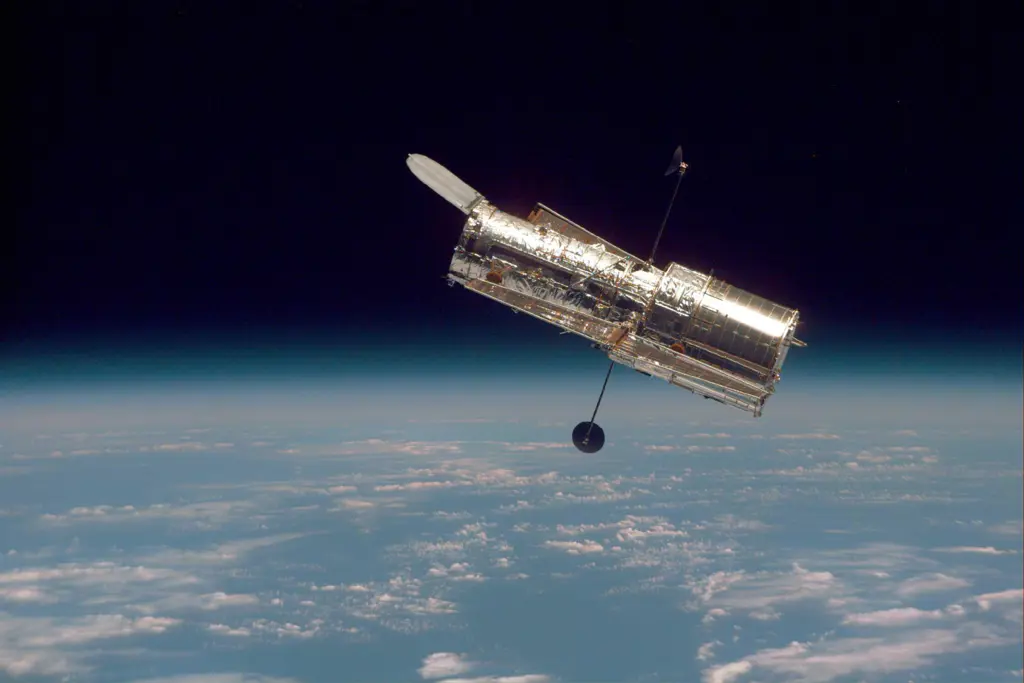
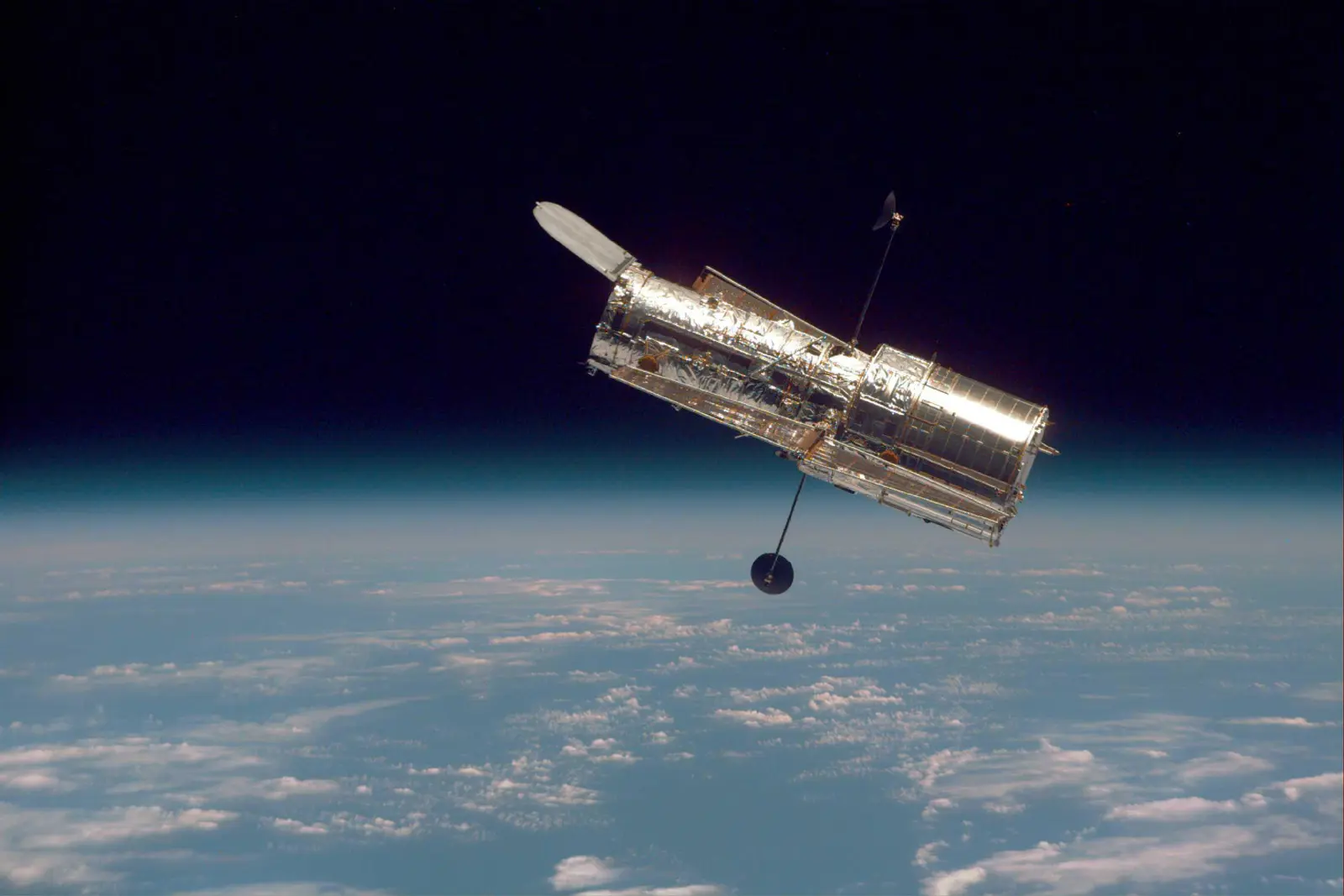
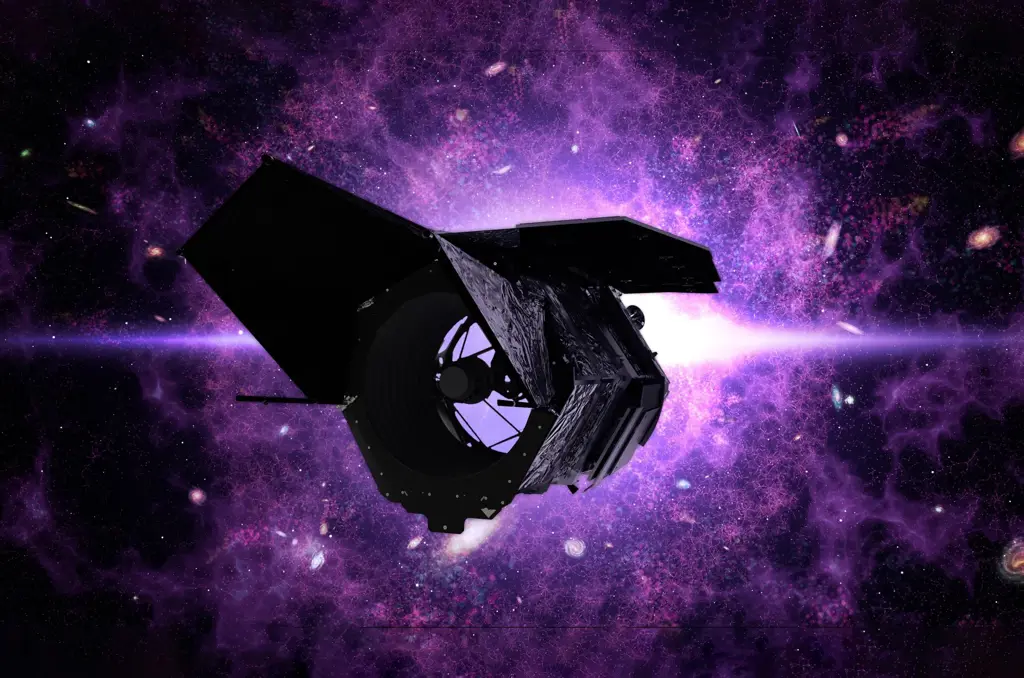
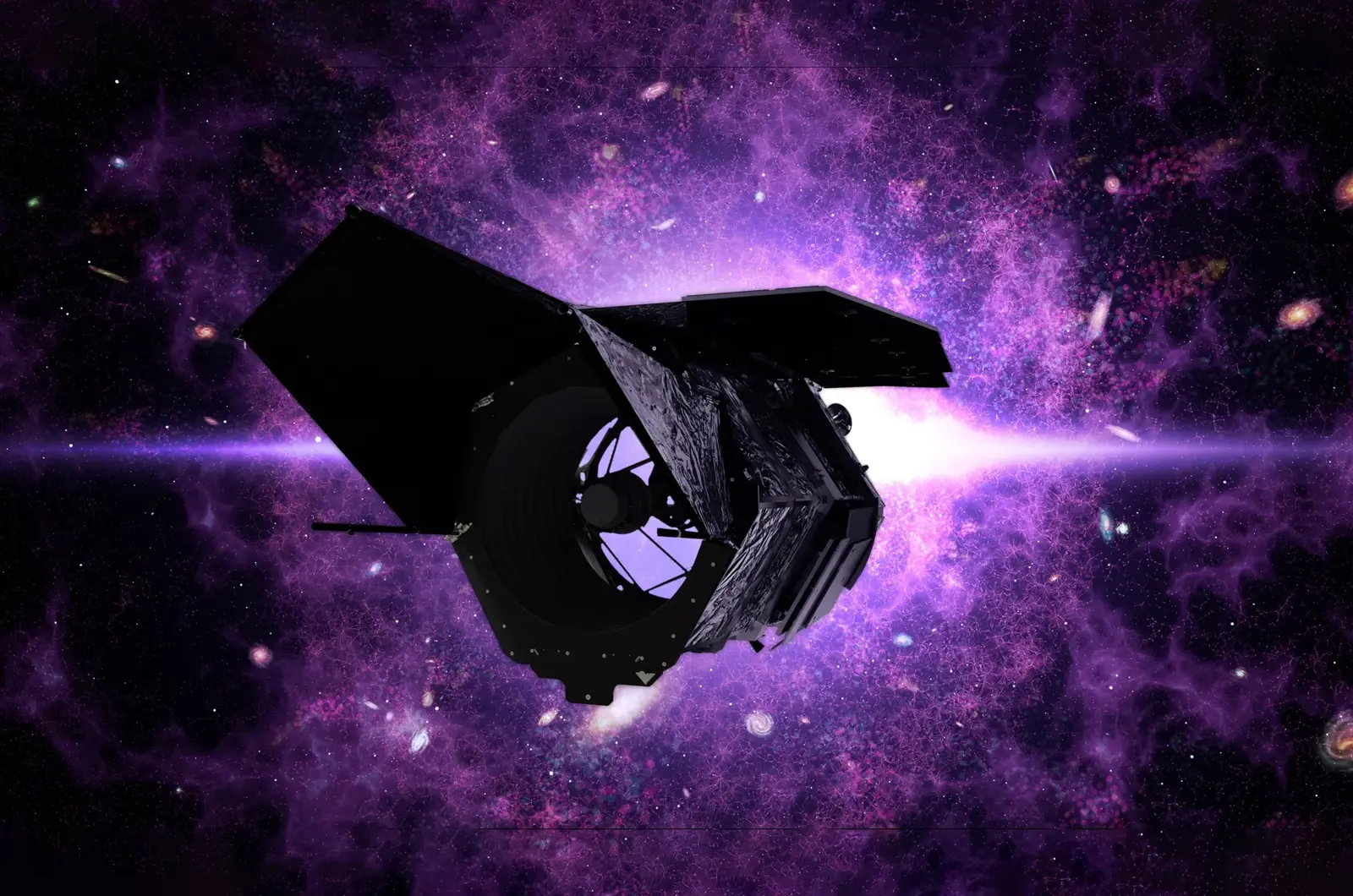
Roman is the next NASA flagship space telescope after JWST. Its primary mirror is the same 2.4 m diameter as Hubble's — donated by the National Reconnaissance Office — but its detector array is one hundred times wider, giving it Hubble-class sharpness across a patch of sky big enough to map structure on cosmological scales.
Two instruments share the focal plane: the Wide Field Instrument, an infrared survey camera designed to image hundreds of millions of galaxies and detect tens of thousands of microlensing exoplanets, and the Coronagraph Instrument, a technology demonstration aimed at imaging gas giants and dusty disks around nearby stars.
Roman is named for Nancy Grace Roman, NASA's first Chief Astronomer and the scientist often called the 'Mother of Hubble' for the lobbying and architecture work that made a space telescope program possible at all. The mission is targeting launch in late 2026 to early 2027 on a SpaceX Falcon Heavy from Kennedy Space Center, with a five-year primary survey at the Sun–Earth L2 point.
Mission timeline
- 2010Recommended by Decadal Survey
Astro2010 ranks WFIRST (the mission's earlier name) as its top space-based priority for the decade.
- 2011 · JanNRO mirror donated
The National Reconnaissance Office hands NASA two unused 2.4 m space-grade telescope assemblies — the optical heart of what becomes Roman.
- 2016 · FebFormal start
WFIRST enters Phase A. Wide Field Instrument and Coronagraph Instrument designs are baselined.
- 2020 · MayRenamed
Renamed in honour of Nancy Grace Roman (1925–2018), NASA's first Chief Astronomer.
- 2022 · JulLaunch vehicle selected
NASA picks SpaceX Falcon Heavy from Kennedy LC-39A to send Roman to L2.
- 2025 · NovConstruction complete
Spacecraft and instrument segments are integrated at Goddard — Roman becomes a complete observatory for the first time.
- 2026 · SepLaunch (target)
Currently working toward an early-September 2026 launch from KSC, ahead of the NASA commitment of NLT May 2027.
- 2027First-light science
Begin the High Latitude Wide-Area Survey, microlensing campaign toward the galactic bulge, and Coronagraph technology demonstration.
Active instruments
- Wide Field Instrument
Near-infrared survey camera, 0.28 deg² per pointing — Hubble sharpness across 100× the area
- Coronagraph Instrument
Technology demonstration coronagraph for directly imaging gas giants and dust around nearby stars