James Webb Space Telescope
Infrared eyes at the second Lagrange point
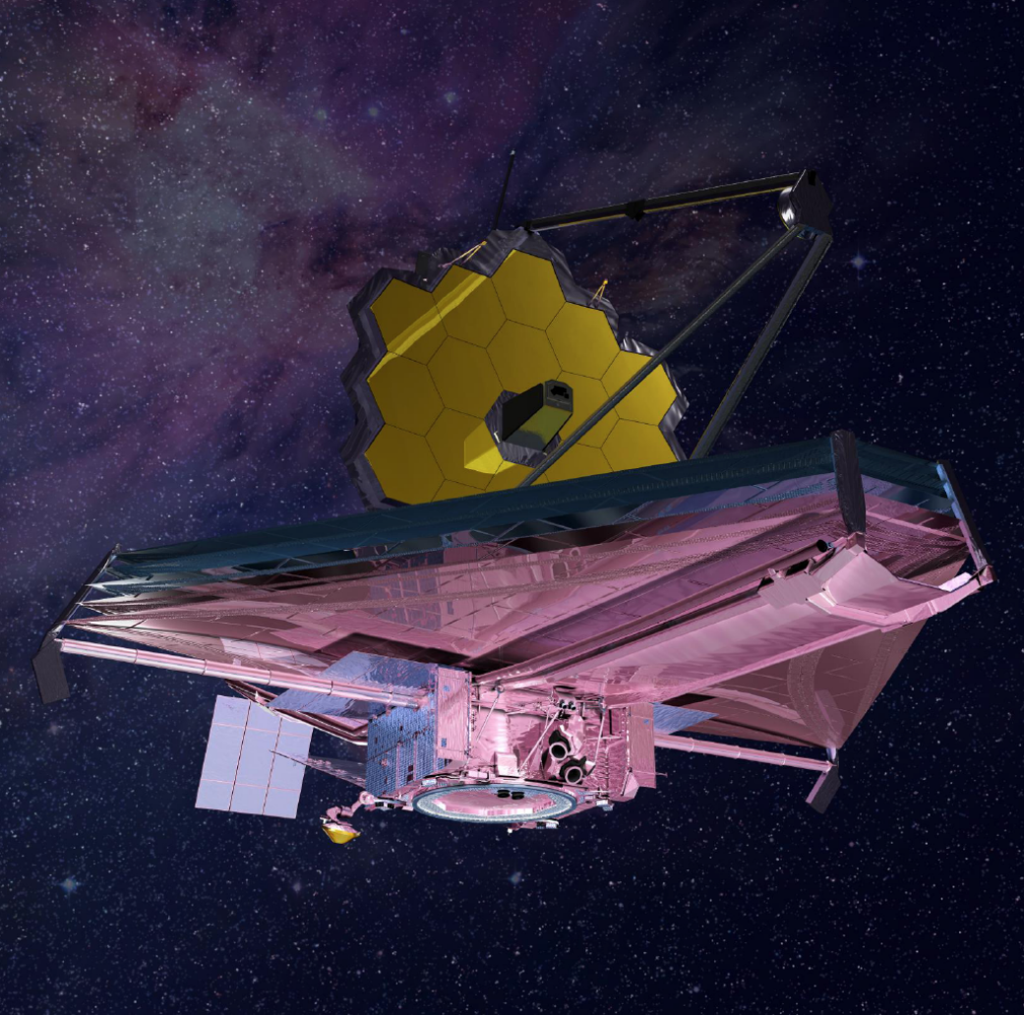
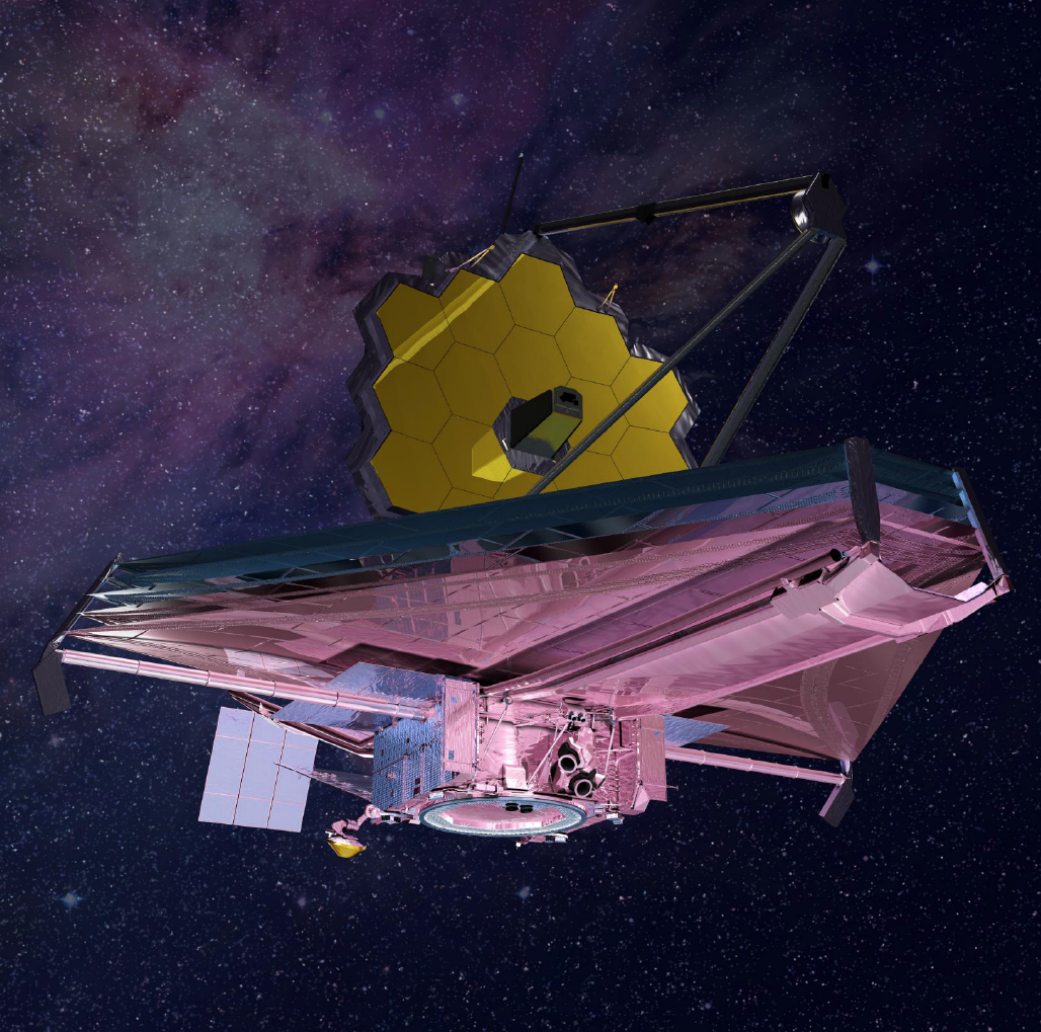
JWST is a 6.5-metre segmented infrared telescope orbiting the Sun–Earth L2 point, roughly 1.5 million kilometres from Earth. Its gold-coated beryllium primary is unfolded from 18 hexagonal segments, and a five-layer tennis-court-sized sunshield keeps the optics colder than -220 °C — cold enough that the telescope's own heat doesn't drown out the faint infrared light it's built to see.
Where Hubble's strength is the ultraviolet and visible, Webb's is the infrared — the light that 13-billion-year-old galaxies have been stretched into by cosmic expansion, the light that escapes dusty stellar nurseries, the light that carries the chemical fingerprints of exoplanet atmospheres. Webb sees what Hubble can't, and the two now routinely observe the same targets in complementary wavelengths.
Launched on Christmas Day 2021 after more than two decades of development, JWST is the largest, most complex space telescope ever flown. It has enough propellant to operate well into the 2040s, and is already rewriting textbooks on the early universe.
Mission timeline
- 2021 · Dec 25Launch
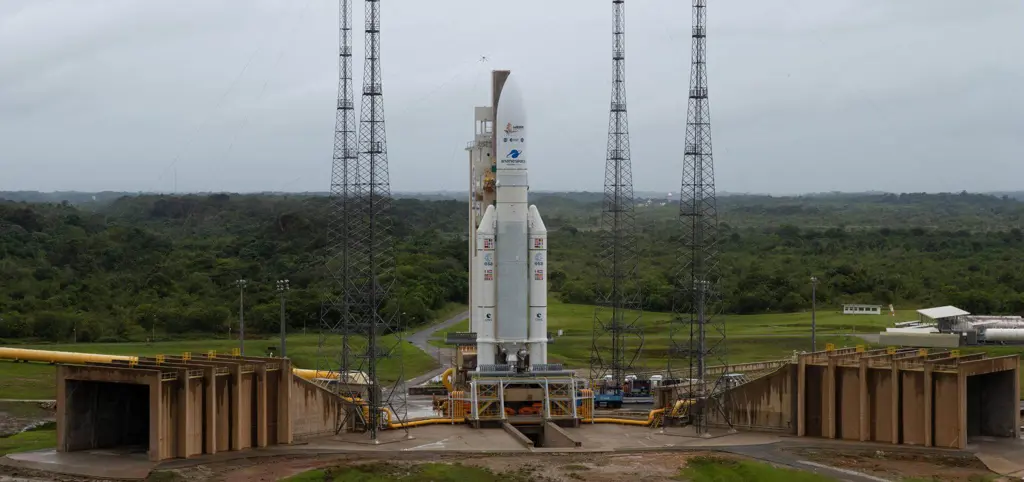
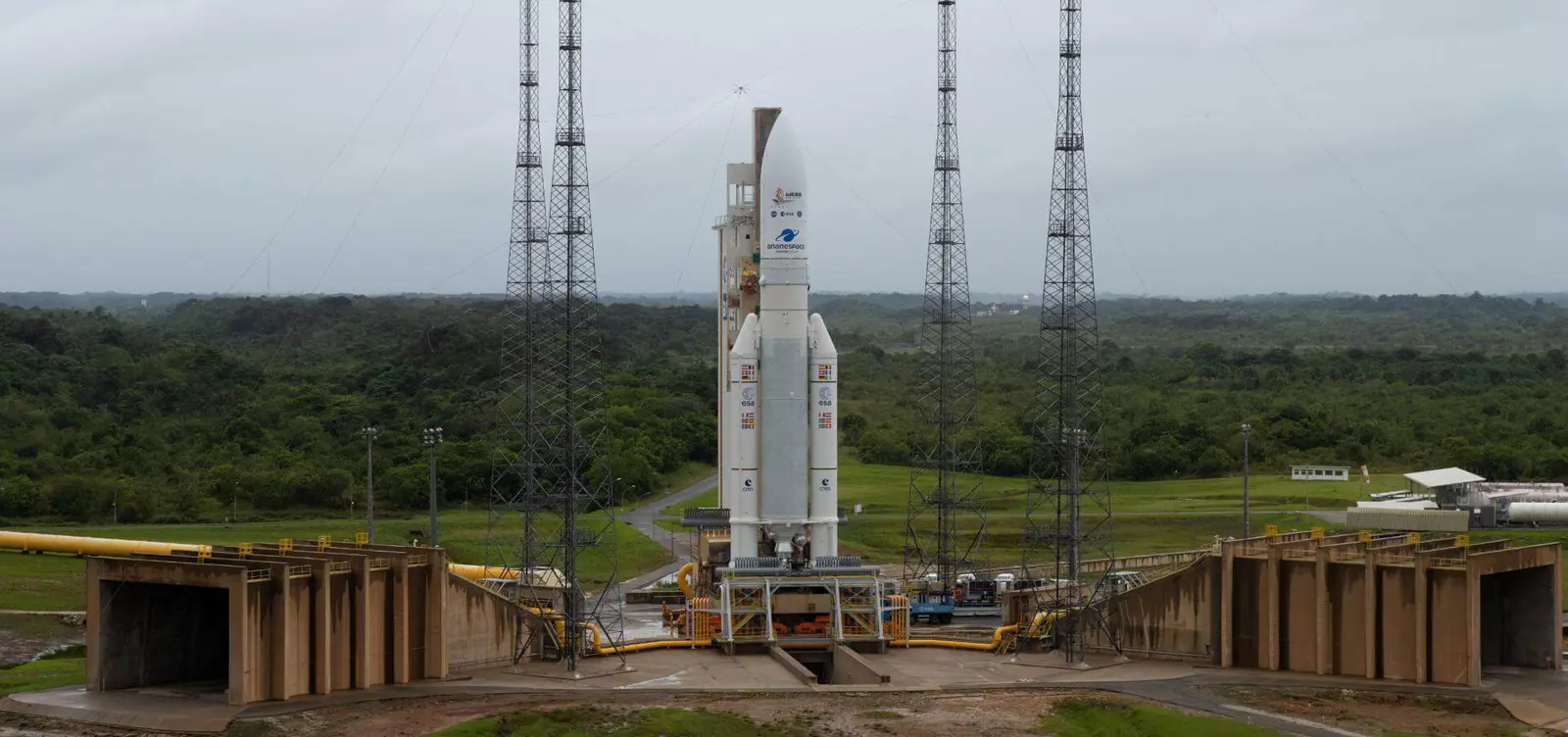
Lifted off aboard Ariane 5 from Kourou on a perfect trajectory — saving so much propellant that the mission lifetime jumped from 10 to 20+ years.
- 2021 · Dec 28Sunshield deployment begins
The five-layer kite-shaped sunshield unfolds over two weeks of nail-biting choreography — 344 single-point failure modes successfully cleared.
- 2022 · Jan 8Primary mirror unfolded
The 18 hexagonal segments lock into their final shape — Webb is finally a telescope.
- 2022 · Jan 24L2 insertion burn
Final mid-course correction puts Webb into its halo orbit around the Sun–Earth L2 point, 1.5 million km from Earth.
- 2022 · MarMirror alignment complete
All 18 segments phased to act as a single 6.5 m mirror — first sharp star image released.
- 2022 · Jul 12First images released
SMACS 0723 deep field, Carina Nebula, Stephan's Quintet, Southern Ring Nebula, and WASP-96 b's atmosphere — Webb's science era begins.
- 2022 · SepCycle 1 science starts
General observer programs begin — the first full year of community science.
- 2023 · JanFirst exoplanet discovered
LHS 475 b confirmed — a near-Earth-sized world detected entirely with Webb.
- 2024JADES early-universe survey
Webb identifies JADES-GS-z14-0 at redshift 14.32 — light from just 290 million years after the Big Bang.
- TodayOperating alongside Hubble
Cycle 4 observations underway; propellant reserves project operation well into the 2040s.
Active instruments
- Near-Infrared Camera
Primary imager — 0.6 to 5 µm, the workhorse for deep fields and exoplanets
- Near-Infrared Spectrograph
Multi-object spectroscopy on up to 100 targets at once — chemistry of early galaxies
- Mid-Infrared Instrument
5 to 28 µm imaging and spectroscopy — the only instrument cooled by a dedicated cryocooler
- Near-Infrared Imager and Slitless Spectrograph
Exoplanet atmospheres, high-contrast interferometry, wide-field slitless spectra
- Fine Guidance Sensor
Sub-milliarcsecond pointing — co-packaged with NIRISS
Headline discoveries
Webb has confirmed galaxies at redshifts above 14 — light from when the universe was less than 2% of its current age, far more luminous and mature than models predicted.
First unambiguous CO₂ detection in an exoplanet (WASP-39 b, 2022) — opening systematic atmospheric chemistry of worlds light-years away.
Webb's infrared eyes pierce dust that hides the action — revealing forming stars, jets, and structure in regions Hubble could only show as silhouettes.
Related videos
Track Webb in real time
Fly out to the second Lagrange point in NASA's Eyes on the Solar System — a real-time 3D simulation of Webb's orbit a million miles from Earth.
Data: NASA/JPL — Eyes on the Solar System
Iconic images
Infrared lineage
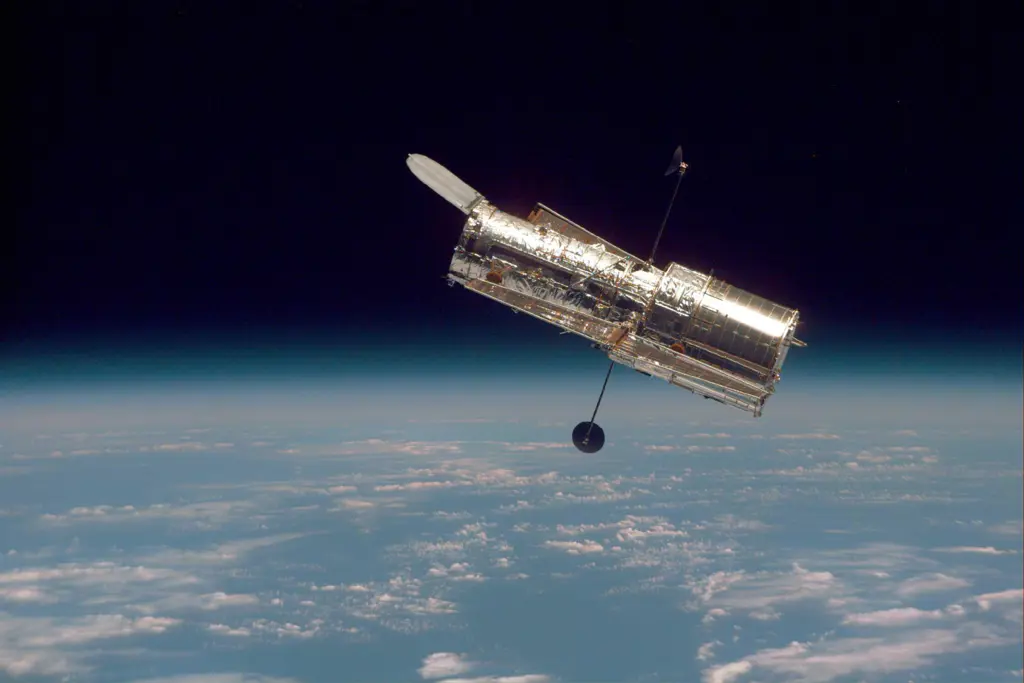
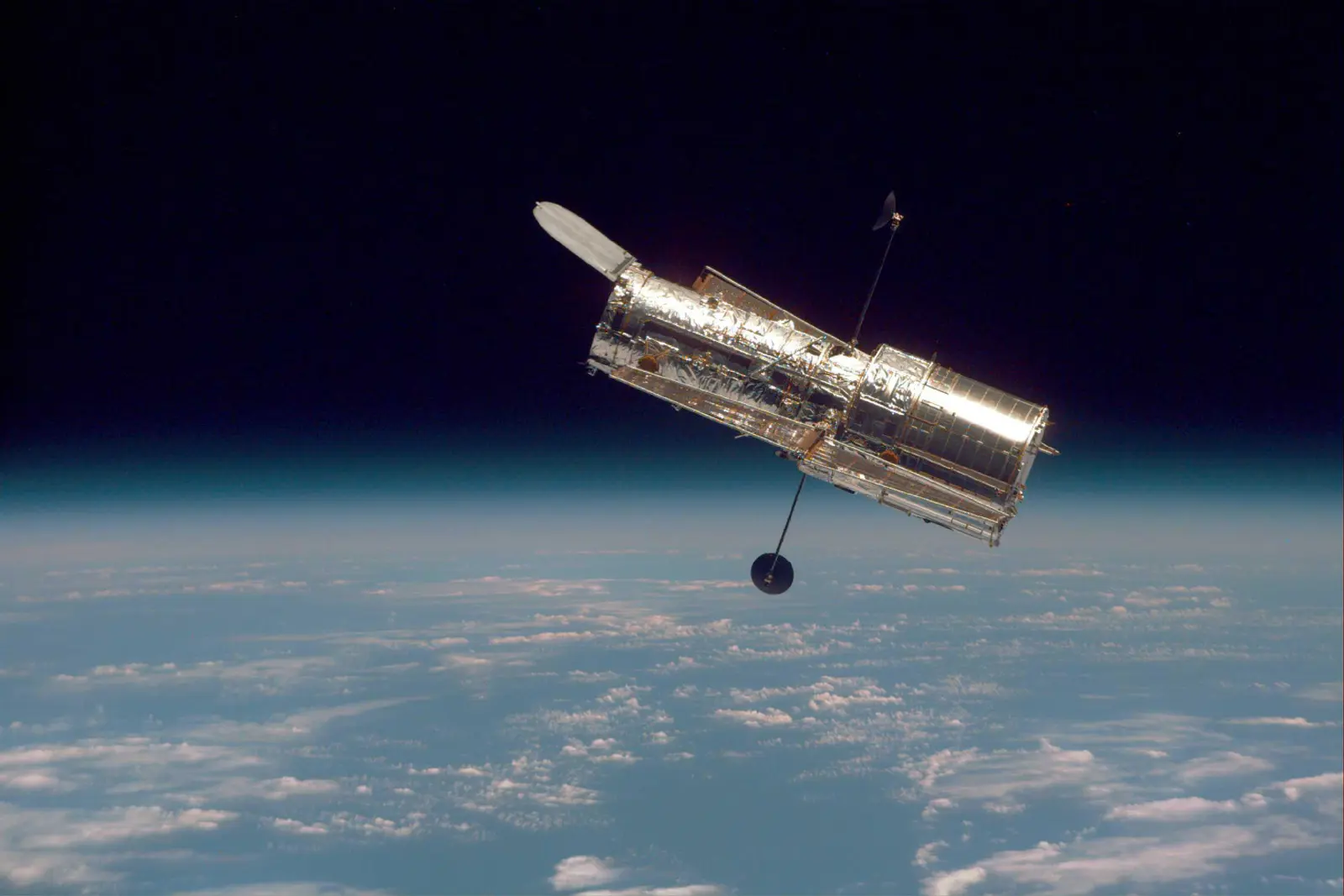
Hubble Space Telescope
Operational35 years above the atmosphere
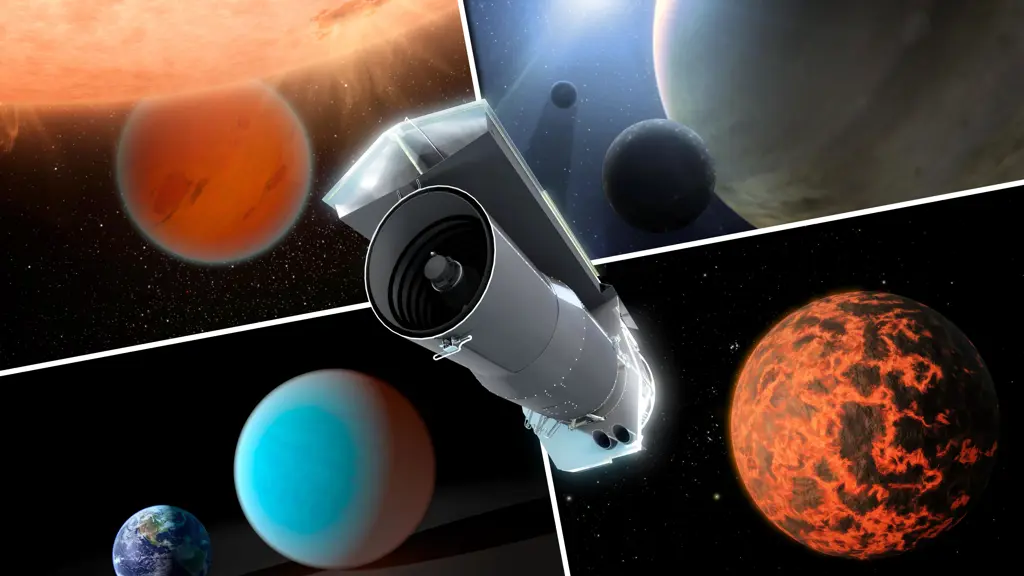
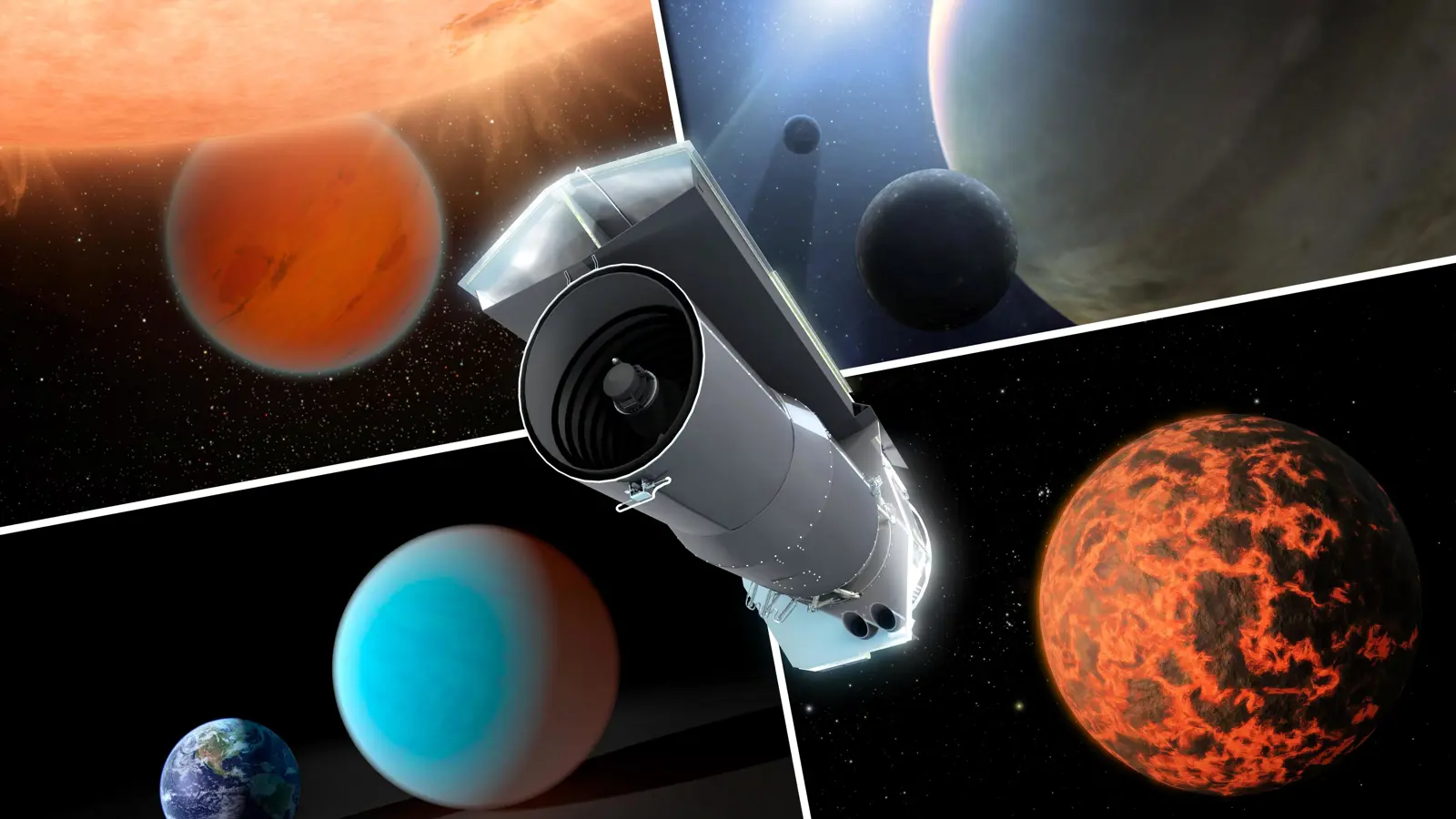
Spitzer Space Telescope
RetiredSixteen years in the infrared
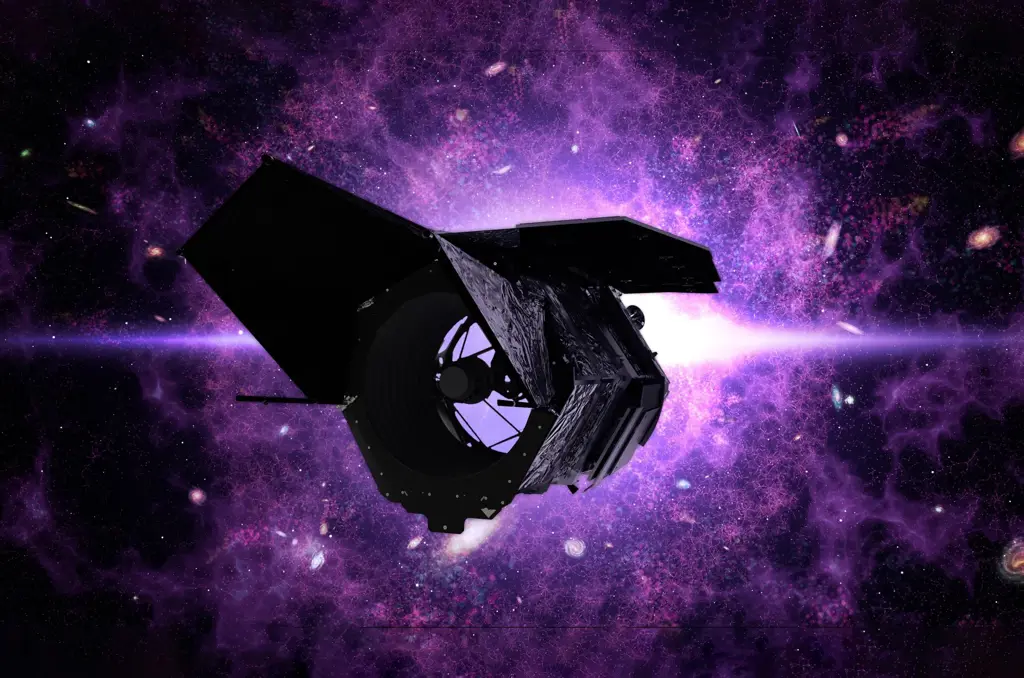
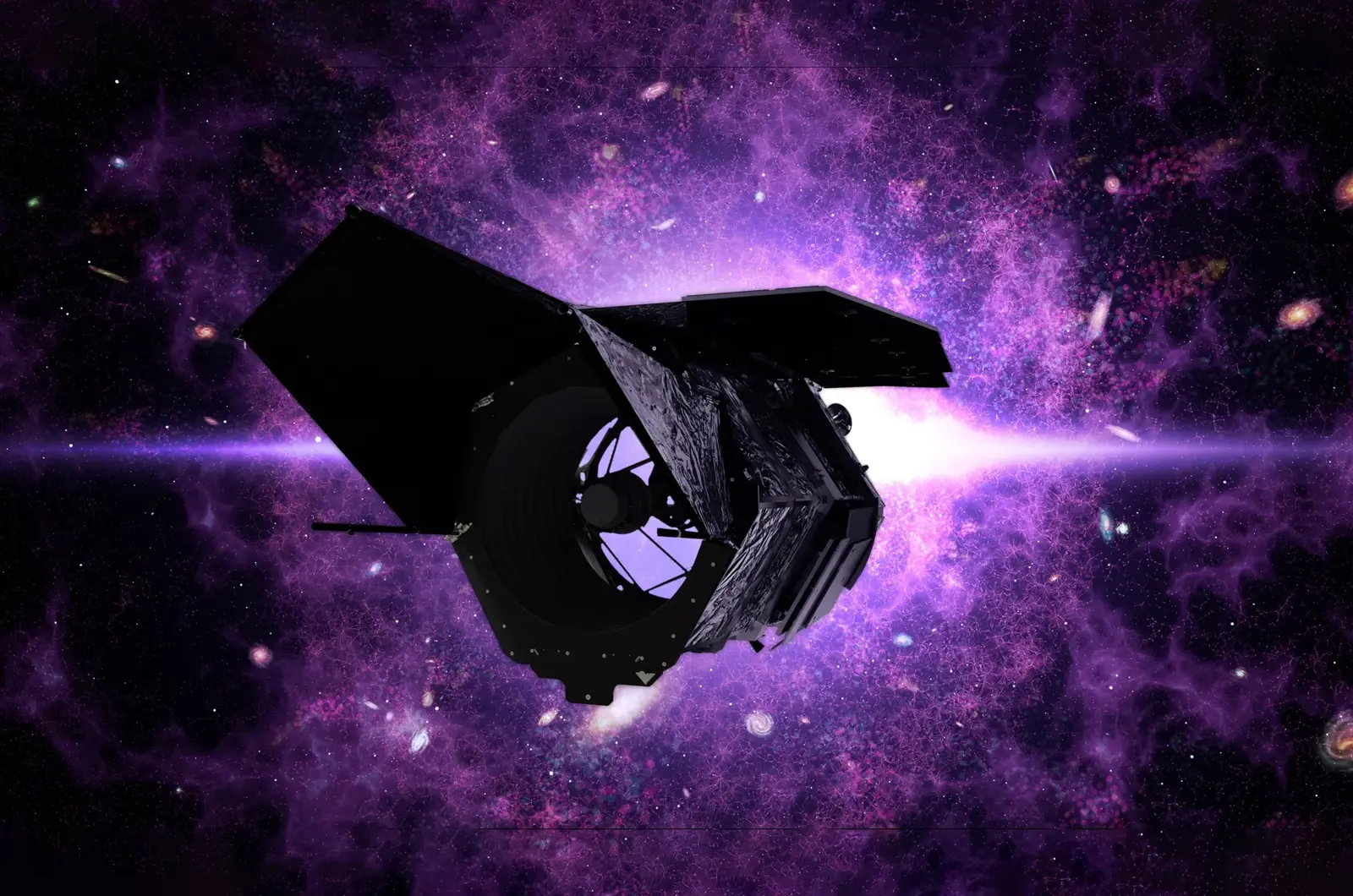
Nancy Grace Roman Space Telescope
PlannedA 100x wider Hubble for dark-energy and exoplanet surveys