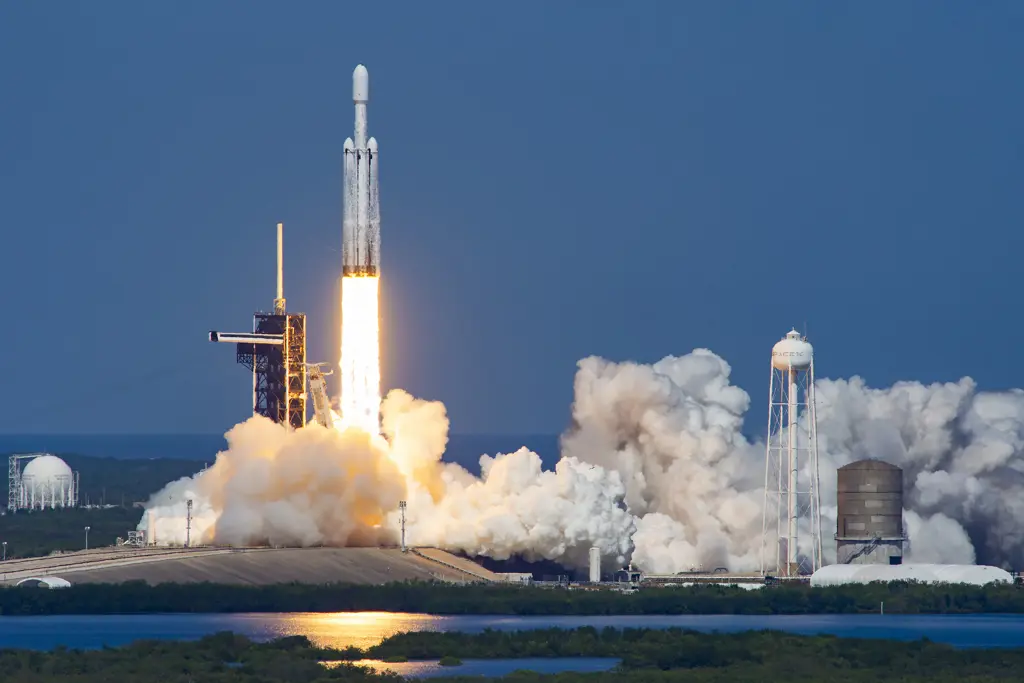
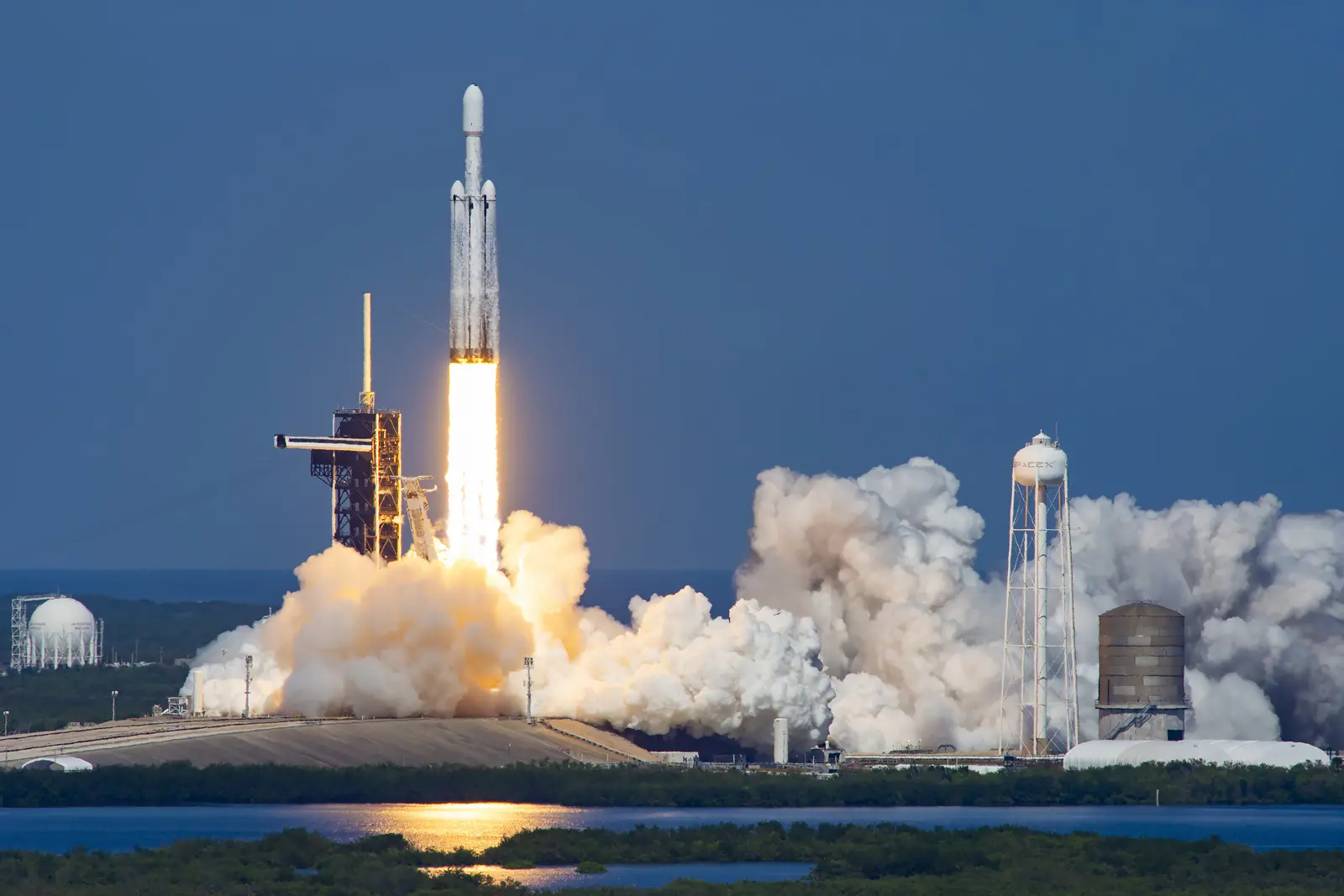
Dragonfly
Planetary Science
TBD
 SpaceX(SpX)Commercial
Falcon HeavyHelio-N/Aorbit
Overview
Dragonfly is NASA's 4th New Frontiers program mission that will send a robotic rotorcraft to fly within the atmosphere of Saturn's moon Titan to sample materials and determine surface composition in different geologic settings, advancing humanity's search for the building blocks of life. The craft is a large quadcopter with double rotors with mass of about 875 kg, featuring rotors of 1.35 m in diameter. It can fly through several kilometers within an hour and will perform 1 flight per Titan day (~16 Earth days). During the planned 3.3-year mission, Dragonfly is expected to cover distance up to several hundred km. Dragonfly will use a Multi-Mission Radioisotope Thermoelectric Generator (MMRTG) to power its instruments. The planned science instrument suite is: * DragonCam: Camera Suite * DrACO: Drill for Acquisition of Complex Organics * DraMS: Mass Spectrometer * DraGNS: Gamma-ray and Neutron Spectrometer * DraGMet: Geophysics and Meteorology
Mission details
Orbital Attempt
#7,572
SpX Mission
#790
Pad Launch
#232
Location Launch
#294
Launch Window
NET
Jul 5, 2028, 12:00 AM
Precision
Day
Schedule Changes
1 update


Kennedy Space Center, FL, USA
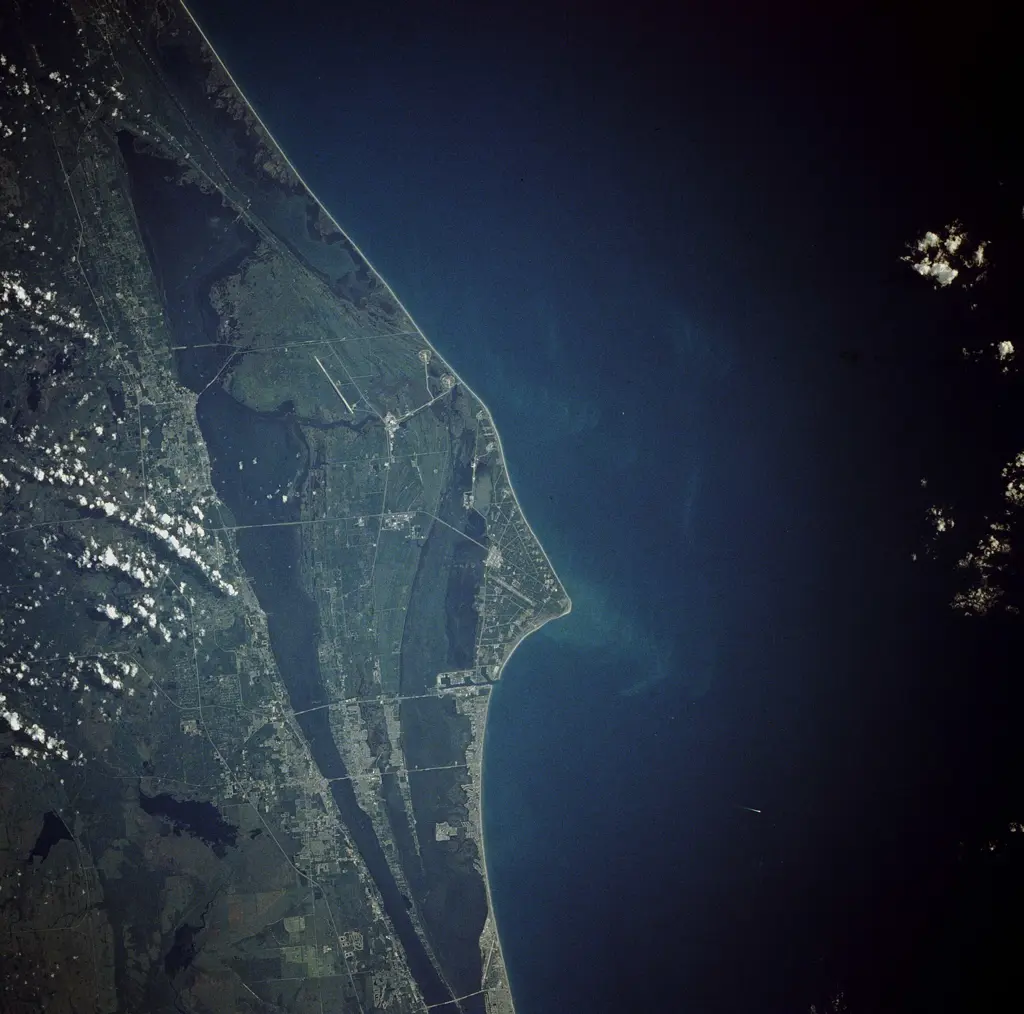
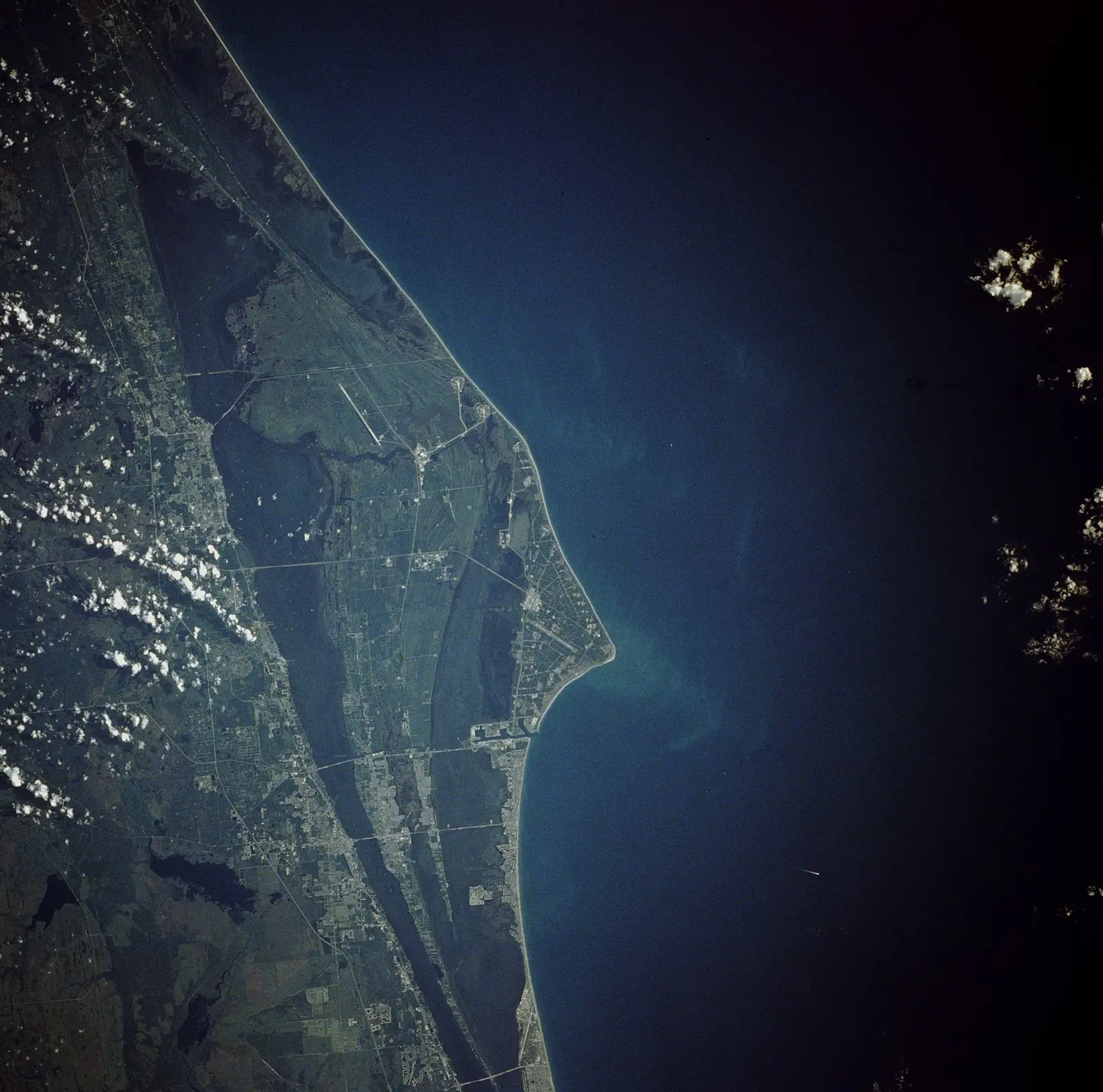
The John F. Kennedy Space Center, located on Merritt Island, Florida, is one of NASA's ten field centers. Since 1968, KSC has been NASA's primary launch center of American spaceflight, research, and technology. Launch operations for the Apollo, Skylab and Space Shuttle programs were carried out from Kennedy Space Center Launch Complex 39 and managed by KSC. Located on the east coast of Florida, KSC is adjacent to Cape Canaveral Space Force Station (CCSFS).
Timezone
America/New_York
Local Launch Time
Jul 4, 2028, 8:00 PM
Total Launches
281
Total Landings
0
Coordinates
28.5242, -80.6508
Frequently asked questions
Kennedy Space Center